

Pyrite Concretions on Shale Matrix
336,00 € incl. VAT
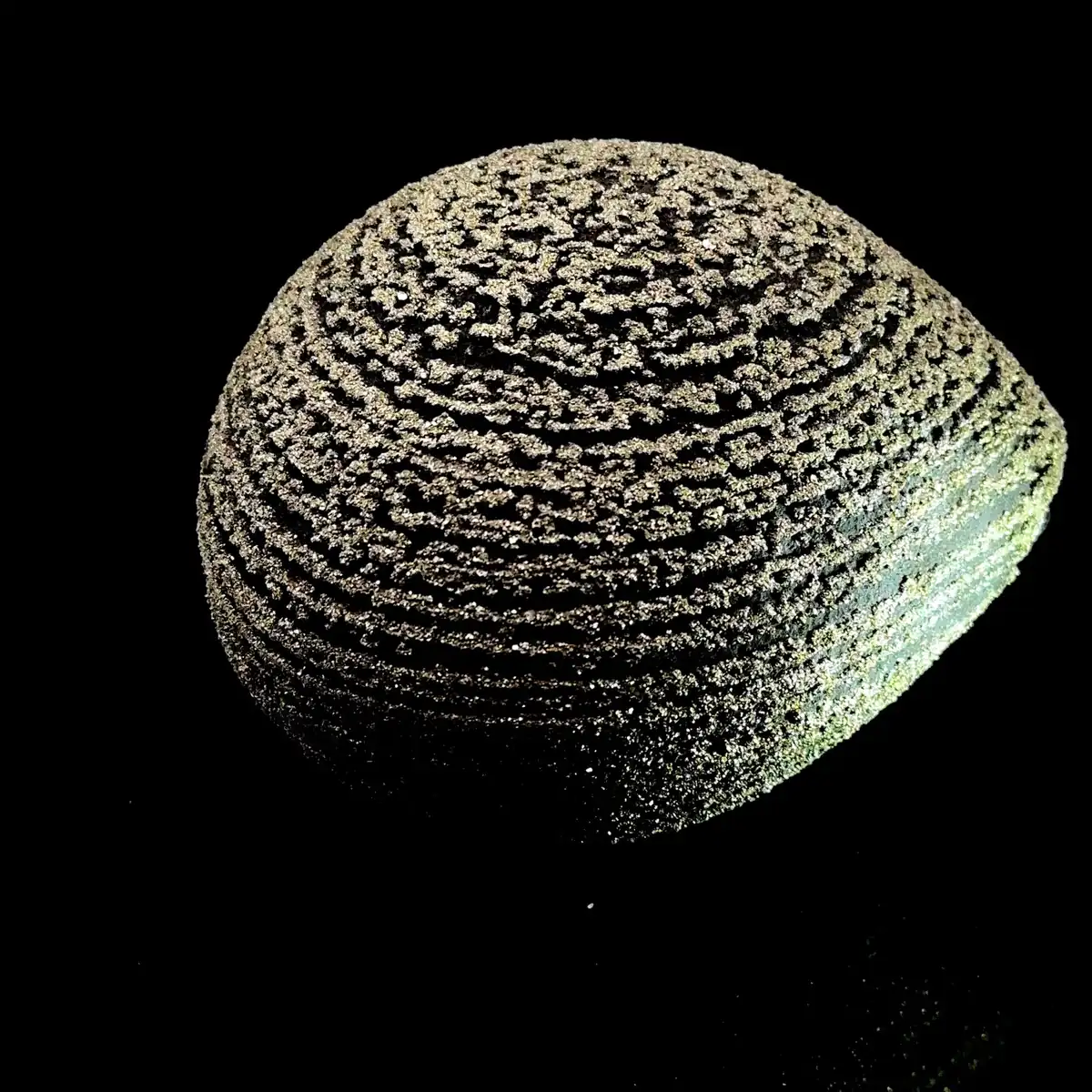
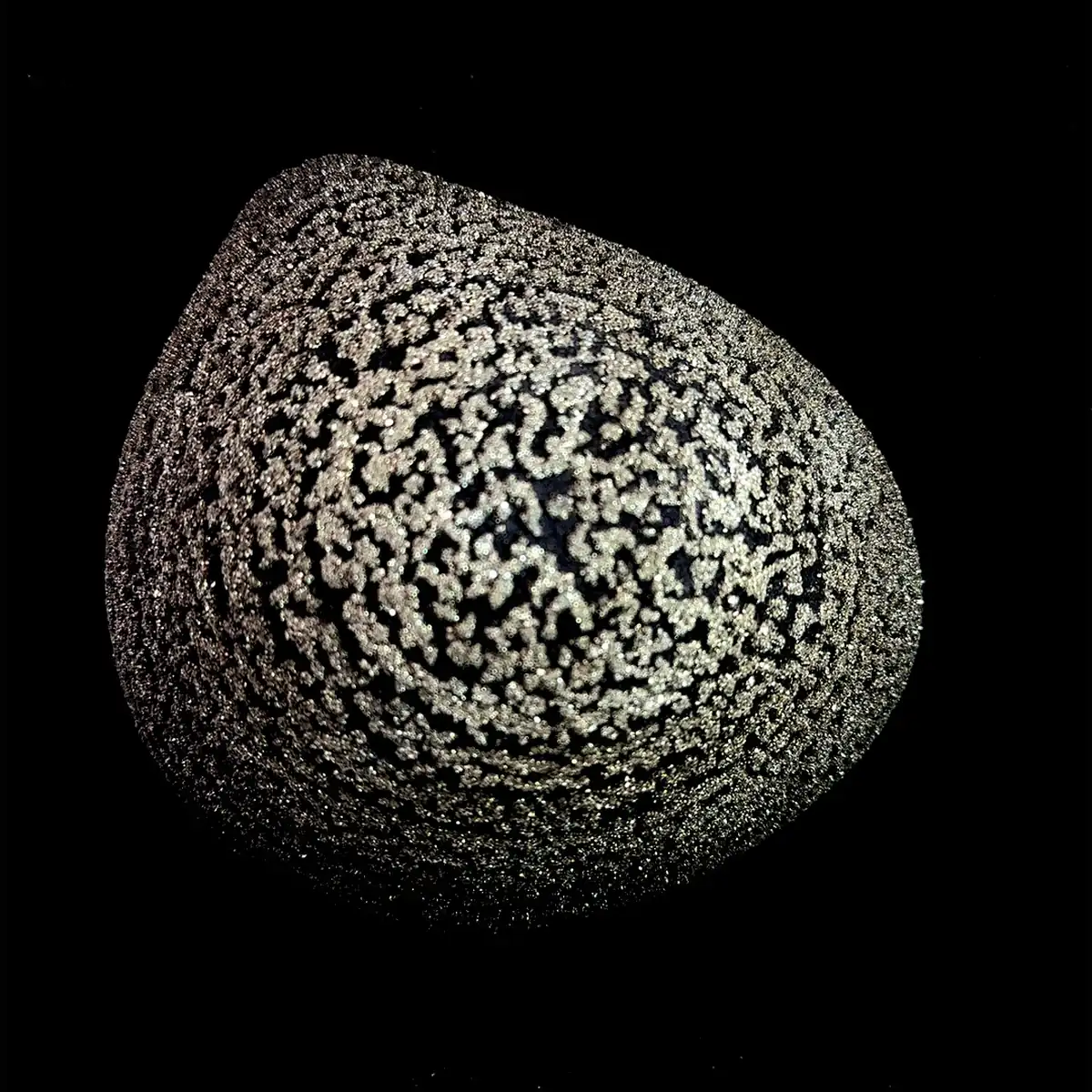
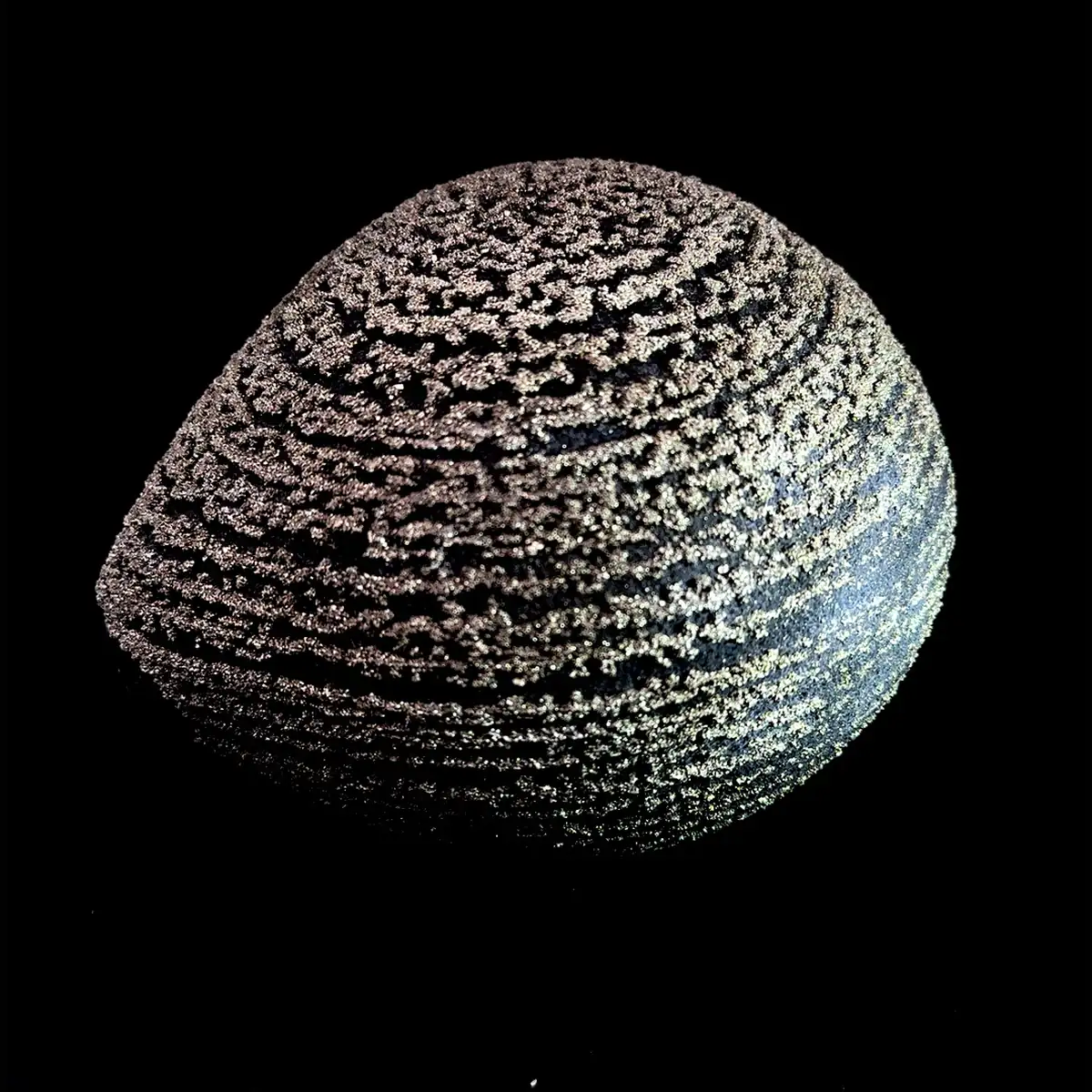
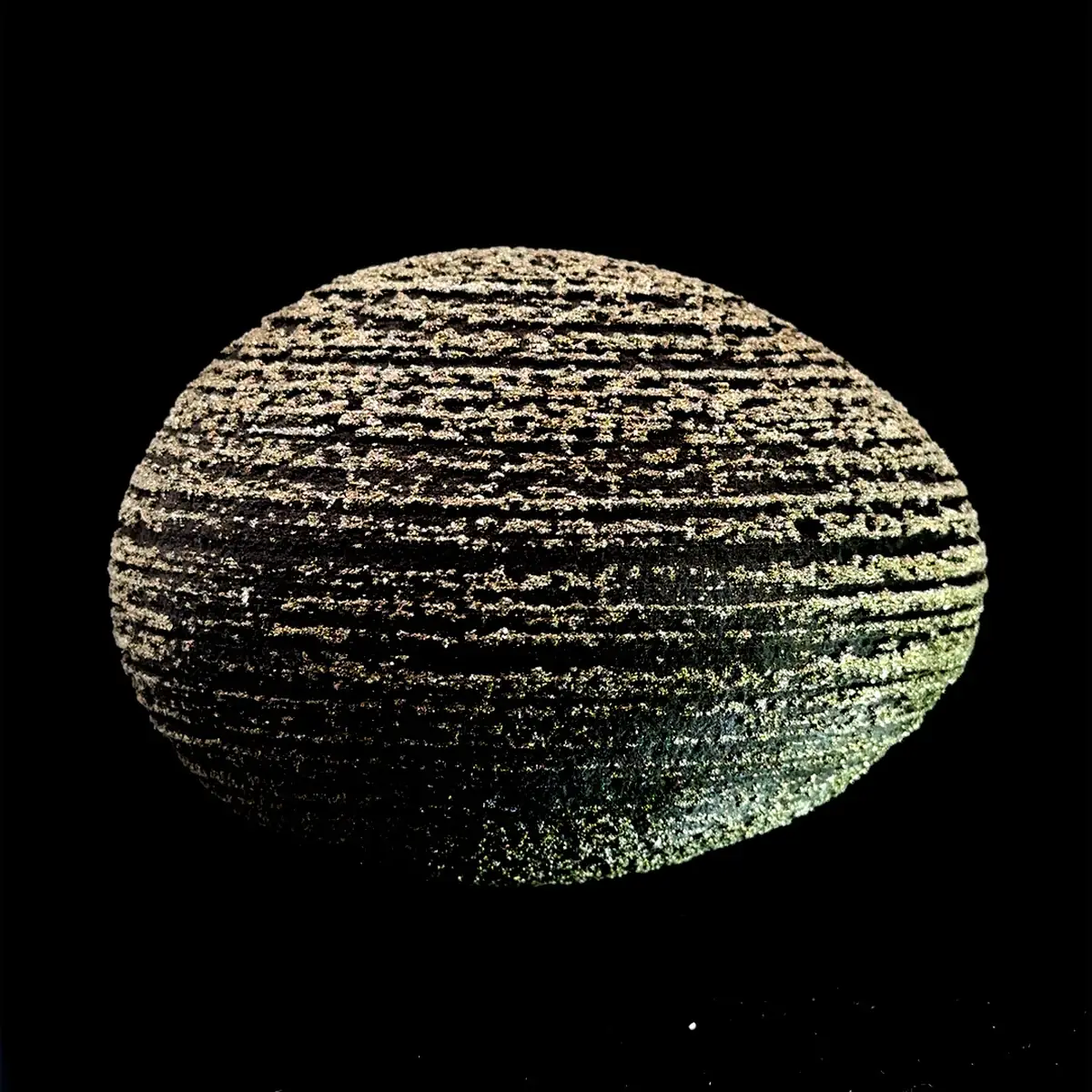
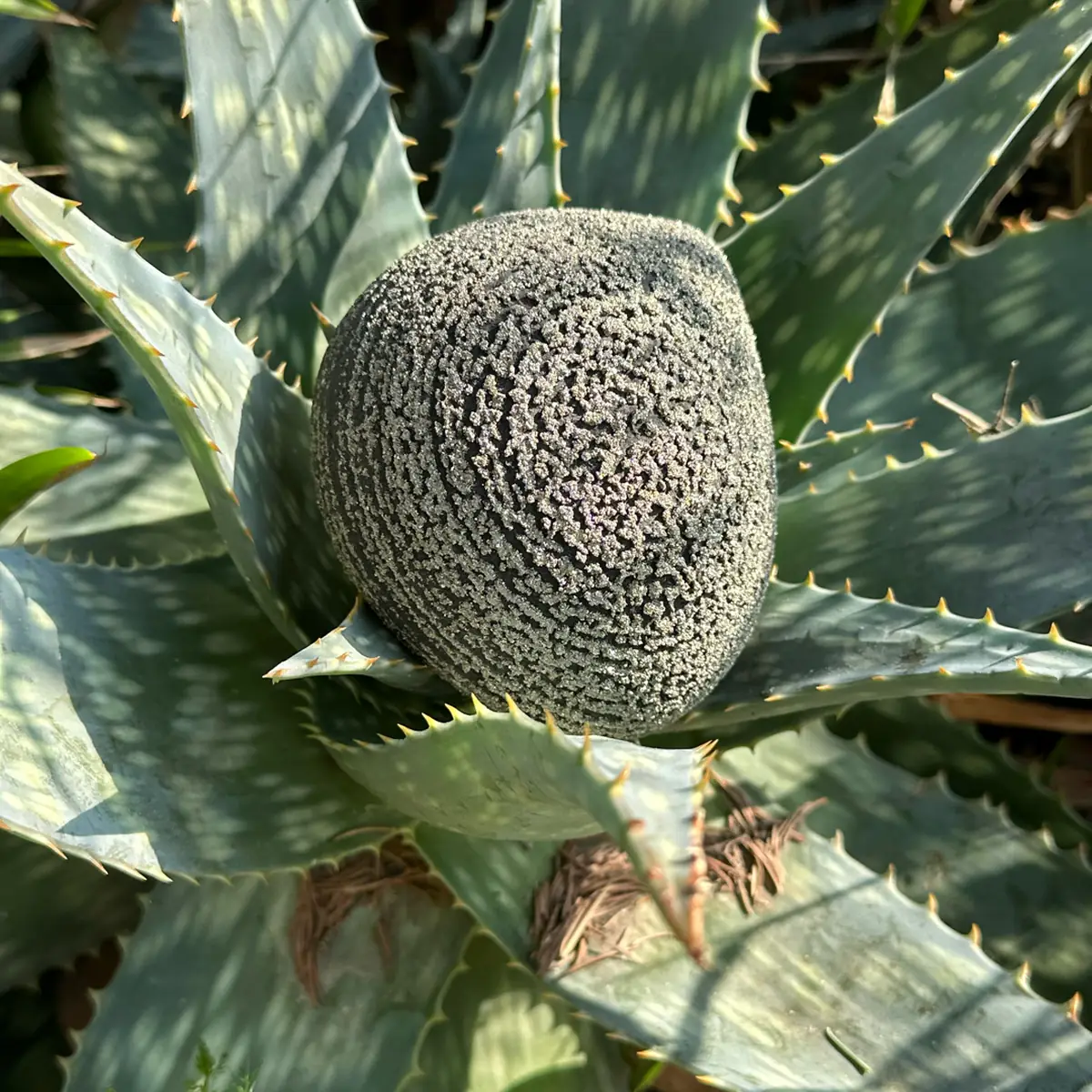
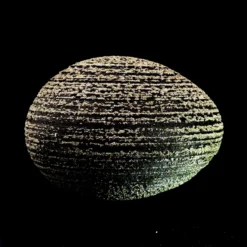
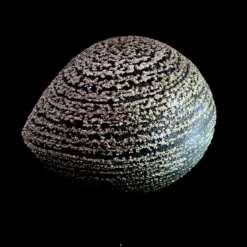
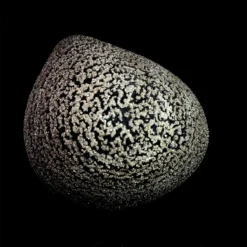
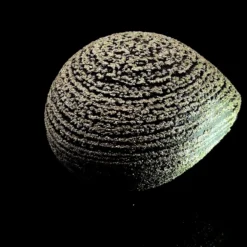
Natural pyrite concretion of approximately 1 kg, from China.
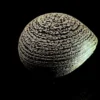
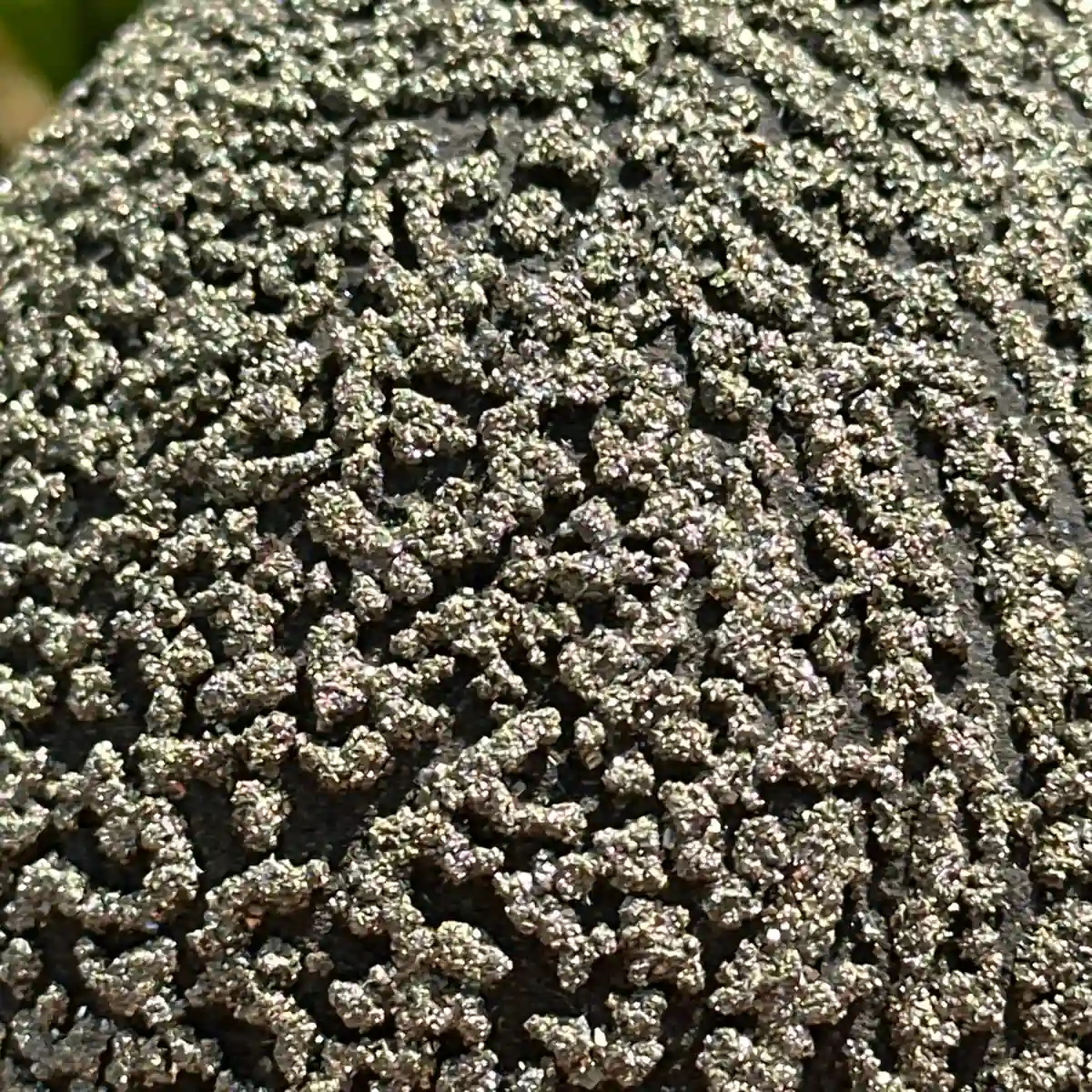
This piece has a rounded and slightly flattened shape, characterized by concentric bands covered with fine pyrite crystallizations with golden metallic reflections.
In stock
Stone(s): pyrite concretion on shale matrix
Color: metallic gold and dark gray
Stone dimensions: 10-12cm x 9-11cm
Weight: approx. 1kg
Stone size: rough
Shape: flattened oval
Chemical composition: iron disulfide – FeS₂
Classification: sulfide group
Crystal system: cubic
Mohs hardness: 6 to 6.5
Density: approximately 4.8 to 5.0
Origin: China
Care instructions:
Keep the concretion in a dry environment, away from humidity and high temperatures. Pyrite can oxidize in contact with humid air, leading to a gradual alteration of its luster and crystallizations. Clean gently with a soft, dry brush. Avoid immersion in water and the use of chemical products.
Non-contractual photos. Sold individually. The photographs show a sample of the concretions available.
The photographs were taken under artificial lighting to better capture the metallic luster of the pyrite’s golden crystallizations. Although these crystallizations are perfectly visible to the naked eye in natural light, their brilliance is harder to capture in photography without suitable lighting. Two photographs also show the concretions in natural light to demonstrate their appearance in these conditions.
About this item: Pyrite Concretions on Shale Matrix
Pyrite is an iron sulfide (FeS2) with a golden metallic shine, which is why it’s nicknamed fool’s gold. Its Mohs hardness is 6 to 6.5. It often crystallizes in cubes with striated faces and oxidizes with humidity.
Flattened oval: 10-12cm x 9-11cm, weight approx. 1kg.
To compare with other models, check out the Raw stones category.
Origins and minéralogy
Pyrite: origin, formation, and mineralogical properties
➤ Origin & formation of pyrite
Pyrite is a natural mineral belonging to the sulfide family, composed of iron disulfide, with the chemical formula FeS₂.
It is distinguished by its brass yellow to golden color, metallic luster, and characteristic geometric crystallizations. Its resemblance to gold earned it the nickname “fool’s gold”, although its physical and chemical properties are very different from those of the precious metal.
Pyrite is one of the most common sulfides in the Earth’s crust. It is found in many geological environments and can exhibit particularly varied morphologies.
Its main natural forms include:
- Cubic crystals, sometimes adorned with fine parallel striations.
- Pyritohedrons, generally featuring twelve pentagonal faces.
- Octahedrons, consisting of eight triangular faces.
- Massive, granular, or radiating aggregates.
- Nodules and concretions developed in certain sedimentary rocks.
- Small crystallizations covering a rock matrix.
Some pyrite concretions from China exhibit a particularly remarkable morphology: rounded or oval shapes, sometimes flattened, covered with pyrite microcrystals arranged in concentric bands.
These formations are notably known in the Dongchuan mining district, in Yunnan province.
How does pyrite form?
Pyrite formation results from chemical reactions involving iron and sulfur, under favorable geological conditions.
These processes can occur in several types of environments, at very different temperatures and depths.
In hydrothermal veins
Pyrite can crystallize when hot fluids containing iron and sulfur circulate through rock fractures.
Changes in temperature, pressure, and chemical composition of the fluids promote the precipitation of different minerals.
Pyrite frequently develops alongside quartz, calcite, chalcopyrite, galena, or sphalerite.
This context can give rise to well-individualized crystals, sometimes several centimeters in size.
In sedimentary rocks
Pyrite can also form in oxygen-poor sediments, particularly in certain marine, lagoonal, or lacustrine environments.
In these environments, the decomposition of organic matter and the activity of sulfate-reducing microorganisms can promote the production of dissolved sulfides.
These compounds react with available iron and participate in the formation of sulfide minerals, including pyrite.
Mineralization can occur during sediment accumulation or during their progressive transformation into rock, called diagenesis.
Pyrite can then appear as dispersed grains, nodules, concretions, or microscopic aggregates called framboids.
In metamorphic rocks
Pyrite can be preserved, transformed, or recrystallized when rocks undergo changes in temperature and pressure.
It is found particularly in certain shales and other metamorphic rocks.
In magmatic rocks
Pyrite can also appear as an accessory mineral in certain magmatic rocks or in mineralized systems associated with magmatic activity.
The diversity of these environments explains why pyrite exhibits such varied crystallizations and mineral associations.
Pyrite concretions on shale matrix: a particular formation
Pyrite concretions on shale matrix constitute one of the most characteristic presentations of certain Chinese pyrites.
Unlike isolated cubic crystals, these specimens feature a dark, generally rounded, oval, or slightly flattened rock mass, on which numerous small metallic crystallizations have developed.
Specimens from the Dongchuan district, in Yunnan, are particularly recognizable by their golden bands, sometimes arranged in circles or parallel curves.
The matrix is a dark rock of sedimentary origin, often described in English documentation as shale, a term referring to a fine and generally laminated sedimentary rock.
In French trade, it is frequently presented as a shale matrix.
This descriptive appellation does not necessarily mean, however, that it is a metamorphic schist in the strict petrographic sense.
How do pyrite concretions form?
A concretion is a localized accumulation of mineral matter that develops within a rock, often during mineralization and cementation processes.
In sedimentary rocks, these structures can appear when certain chemical elements concentrate around a particular area, promoting the precipitation of new minerals.
The formation of pyritic concretions can notably involve:
- The presence of iron and sulfur in the sediments or the fluids passing through them.
- Chemical conditions allowing the precipitation of iron disulfide.
- Fluid circulation within the rock.
- Crystallization and recrystallization phases.
- Local variations in chemical composition.
Depending on the deposits, these processes can be part of sedimentary diagenesis or be influenced by hydrothermal circulations.
In the case of Dongchuan concretions, the morphology and crystallizations are well documented, but the precise mechanisms responsible for each concentric arrangement are not fully established.
It would therefore be excessive to systematically attribute the visible bands to successive growth stages or to a single geological mechanism.
Nevertheless, the general shape of the concretion and the distribution of pyrite indicate an organized mineralization within or on the surface of a rock matrix.
Why do these concretions exhibit golden concentric bands?
The concentric bands constitute the main aesthetic peculiarity of these specimens.
They correspond to areas where numerous small pyrite crystals are concentrated on the dark matrix.
These crystallizations can form:
- Curved or concentric bands.
- More or less regular rings.
- Parallel alignments.
- Irregular reliefs.
- Areas more or less densely covered with pyrite.
The differences in crystal distribution create contrasts between the dark grey parts of the matrix and the golden metallic areas.
The oval or flattened shape of some specimens visually accentuates these structures.
Why do the crystallizations sparkle?
The luster comes from the many small crystalline faces of the pyrite.
Each of these faces can reflect light in a different orientation.
When the specimen is moved or observed under direct lighting, the microcrystals produce a succession of brilliant metallic reflections.
This sparkle is neither fluorescence nor a luminescence phenomenon: it simply results from the reflection of light on the crystalline surfaces.
The golden crystallizations are visible to the naked eye in natural light, but their luster can be difficult to faithfully reproduce in photography, particularly under diffuse lighting.
Oriented artificial lighting can thus better reveal the many small crystalline faces.
Mineralogical characteristics of pyrite
- Nature: natural mineral.
- Classification: sulfides, pyrite group.
- Chemical composition: iron disulfide.
- Chemical formula: FeS₂.
- Crystal system: cubic (isometric).
- Hardness: 6 to 6.5 on the Mohs scale.
- Density: approximately 4.8 to 5.0 g/cm³.
- Luster: metallic.
- Transparency: opaque.
- Color: brass yellow to metallic gold.
- Streak: greenish black.
- Cleavage: indistinct to poor.
- Fracture: irregular, sometimes conchoidal.
- Tenacity: brittle.
- Crystal habit: cubic, pyritohedral, octahedral, massive, granular, or nodular.
- Particular morphologies: concretions, radiating aggregates, and microscopic framboids.
- Associated minerals: quartz, calcite, chalcopyrite, galena, sphalerite, siderite, and other minerals depending on the deposits.
For concretions on shale matrix, these characteristics correspond to pyrite itself.
The complete concretion is a natural assemblage composed of pyrite and host rock. Its overall density and composition are therefore not necessarily identical to those of a pure pyrite crystal.
Main pyrite deposits
Pyrite is present on all continents. Some deposits are particularly known for the size, shape, or quality of their crystallizations.
Spain
Spain is one of the most famous provenances for cubic pyrite crystals.
The Navajún area, in the province of La Rioja, is notably renowned for its cubes with sharp edges and sometimes perfectly developed faces.
These crystals can be partially included in a clear rock matrix.
Peru
Peru has numerous pyrite deposits, particularly in the Andes.
The Huanzalá mine, in the Áncash region, is particularly known for its brilliant metallic crystals, often associated with other minerals.
Italy
Italy has several historical occurrences of pyrite.
The island of Elba, in Tuscany, is notably known for the diversity of its iron and sulfide mineralizations.
China
China has numerous pyrite deposits associated with varied geological contexts.
The Dongchuan district, in Yunnan province, is particularly interesting for its pyrite concretions on dark rock matrix.
Other Chinese regions provide pyrite crystals, massive aggregates, and various mineral associations.
United States
Pyrite is also present in many American states, notably Colorado, Arizona, and several old mining districts.
France
Pyrite is present in different French regions, particularly in hydrothermal formations and in certain sedimentary or metamorphic rocks.
Its mineral associations and crystalline forms vary according to geological contexts.
The pyrite concretions of Dongchuan, in Yunnan
The Dongchuan mining district is located in southwestern China, north of Kunming, the capital of Yunnan province.
This region has a complex geological history, marked by the presence of ancient sedimentary formations and significant metallic mineralizations.
Dongchuan is historically known for its copper deposits, associated notably with the Kunyang group formations, of Proterozoic age.
The rocks of the district contain various sulfide minerals, including chalcopyrite, bornite, chalcocite, and pyrite.
Rounded pyritic concretions are also documented in certain mineralized formations of this district.
Commercialized specimens often feature:
- An oval, spheroidal, or flattened shape.
- A dark grey to black matrix.
- Golden yellow metallic microcrystals.
- Concentric or parallel bands.
- A shimmering appearance when the crystalline faces reflect light.
Photographs of specimens from Dongchuan have been documented in mineralogical databases since at least the late 2000s.
However, it is important to distinguish the general location of the mining district from the precise identification of a mine or geological level.
Without supplier documentation, it is not possible to attribute with certainty each commercialized concretion to a particular operation in Dongchuan.
Pyrite, marcasite, and chalcopyrite: what are the differences?
These three minerals can exhibit relatively similar metallic colors, but their composition and crystalline structure differ.
Pyrite
Pyrite has the chemical formula FeS₂ and crystallizes mainly in the cubic system.
It is distinguished by its brass yellow color, relatively high hardness, and numerous crystalline forms.
Marcasite
Marcasite also has the chemical formula FeS₂, but crystallizes in the orthorhombic system.
Pyrite and marcasite are therefore two different crystalline forms of the same chemical compound, called polymorphs.
Marcasite often exhibits radiating aggregates, bladed crystals, or particular forms.
Some specimens sold as marcasite are actually composed of pyrite, which can lead to confusion.
Chalcopyrite
Chalcopyrite is a copper and iron sulfide, with the chemical formula CuFeS₂.
It crystallizes in the tetragonal system and has a lower hardness, generally between 3.5 and 4 on the Mohs scale.
Its golden yellow color can resemble that of pyrite, but it sometimes exhibits iridescence due to surface alteration.
The identification of these minerals relies notably on their chemical composition, crystal system, hardness, and physical characteristics.
➤ Discovery & history through the ages
🔥 Prehistory: pyrite and the mastery of fire
The history of pyrite is closely associated with that of fire.
When struck against certain hard materials, particularly flint, pyrite can produce sparks hot enough to ignite appropriate combustible material.
This property played an important role in ancient fire-starting techniques.
Archaeological research has identified traces of pyrite use associated with flint tools.
In 2025, a scientific study published in the journal Nature presented evidence indicating intentional fire production dating back approximately 400,000 years, at the Paleolithic site of Barnham, Suffolk, England.
Researchers there notably identified pyrite fragments associated with flints and sediments that had undergone high temperatures.
This discovery sheds important light on the technical knowledge of certain ancient human populations.
🏛️ Antiquity: origin of the name and first descriptions
The name pyrite comes from the ancient Greek pyr, meaning “fire”.
This etymology directly refers to the ability of certain stones to produce sparks when struck.
In Greek and Roman antiquity, several minerals exhibiting these properties were grouped under appellations related to pyrite.
The Greek physician and botanist Dioscorides, in the 1st century AD, notably mentions materials designated by the term pyritēs in his work on medicinal substances.
It should be remembered, however, that ancient mineralogical classifications did not correspond to current scientific classifications.
Ancient appellations could thus designate different metallic minerals, sometimes difficult to identify with certainty.
🪞 Pre-Columbian civilizations: pyrite mirrors
In several ancient Mesoamerican civilizations, the reflective properties of pyrite were utilized in the manufacture of particular objects.
Carefully polished pyrite fragments could be assembled on a support to form mosaic mirrors.
Such objects are notably known in the artistic and archaeological traditions of various Mesoamerican cultures, including the Mayans.
Their creation required meticulous work of cutting, polishing, and assembly.
Beyond their reflective function, some mirrors were associated with ceremonial practices, representations of power, or religious beliefs.
The use of pyrite thus testifies to the interest ancient civilizations had in its luster and optical properties.
⚒️ Middle Ages and modern periods: a stone linked to ignition techniques
For several centuries, pyrite and other spark-producing materials were used in various fire-starting techniques.
Systems employing a hard material and a combustible substance gradually evolved.
In techniques using the percussion of flint against an iron sulfide, mechanical energy produced incandescent particles capable of igniting tinder or another suitable fuel.
Pyrite, however, differs from steel strikers that appeared later, in which sparks primarily come from metallic particles torn from the steel.
These techniques illustrate the historical importance of the physical properties of minerals in human activities.
💰 19th century: “fool’s gold” and the rise of mining
Pyrite’s golden color earned it its popular nickname “fool’s gold”.
This appellation evokes the possible confusion between pyrite and gold among inexperienced prospectors.
Despite some visual similarities, the two materials have significant differences.
Gold is a soft, very dense, and malleable metal, while pyrite is harder, lighter, and brittle.
Observing the shape of the crystals and the color of the streak also helps differentiate them.
However, pyrite is not always without interest in gold deposits.
In certain geological contexts, it can contain small amounts of gold, sometimes as microscopic particles or elements incorporated into its structure.
With industrialization, pyrite also became an important raw material for the production of sulfur compounds, particularly in the chemical industry.
🔬 20th century: advances in crystallography and geology
The development of mineralogical analysis techniques deepened the understanding of pyrite.
X-ray diffraction, microscopic observation, and chemical analysis methods contributed to refining its crystal structure.
Researchers also studied its role in metallic deposits and in the geochemical processes of sediments.
Pyrite became a particularly important mineral for understanding:
- The formation conditions of certain deposits.
- The interactions between iron and sulfur.
- Oxygen-poor sedimentary environments.
- Chemical transformations related to rock burial.
- Certain oxidation mechanisms of sulfide minerals.
This research contributed to better distinguishing hydrothermal crystallizations, sedimentary formations, and metamorphic transformations.
🌏 Late 2000s and 21st century: Chinese concretions from Dongchuan
From the late 2000s, particularly remarkable specimens from Dongchuan, in Yunnan, appeared in collections and on the international mineral market.
These concretions differ from more classic cubic pyrite crystals by their rounded morphology and bands of golden microcrystals.
Photographs published in mineralogical databases notably document specimens commercialized as early as 2009, then throughout the 2010s.
Their unusual appearance attracted the attention of collectors and mineral specialists.
The distribution of crystallizations, the shape of the matrix, and the contrasts between the different mineralized zones constitute the main sought-after characteristics.
Today, these concretions represent a particular presentation of pyrite, appreciated for its morphology and for the natural organization of its microcrystallizations.
➤ Pyrite care: minerals, concretions, and jewelry
Pyrite has a relatively high hardness, between 6 and 6.5 on the Mohs scale.
It remains brittle, however, and can alter under certain environmental conditions.
Its main point of vigilance concerns oxidation, favored notably by humidity and prolonged exposure to unfavorable conditions.
Some specimens can develop alteration products leading to a modification of their appearance, degradation of their structure, and, in the most significant cases, progressive disintegration.
Finely crystallized pyrites or those present in certain sedimentary concretions can be particularly sensitive to these phenomena.
Care of pyrite concretions on shale matrix
Pyrite concretions have a surface composed of numerous small crystals, sometimes very fine.
These crystallizations can be fragile and require delicate handling.
To preserve these specimens, it is recommended to:
- Store them in a dry and well-ventilated environment.
- Avoid any prolonged contact with water or humidity.
- Never immerse them in water.
- Avoid chemicals, acids, and detergents.
- Gently clean dust with a soft, dry brush.
- Limit handling that could damage the microcrystals.
- Avoid strong temperature variations.
A soft-bristled brush is particularly suitable for cleaning reliefs and small crystallizations.
The use of a hard brush or a rough cloth is not recommended, as it could detach or damage parts of the surface.
For prolonged display, prefer a room with moderate and stable ambient humidity.
Why can pyrite oxidize?
Pyrite contains iron and sulfur.
When exposed to oxygen and humidity, chemical reactions can lead to its gradual transformation.
These reactions can notably produce iron sulfates and acidic compounds.
In some specimens, these alteration products cause the appearance of whitish or yellowish deposits, cracks, and sometimes a progressive degradation of the matrix.
This phenomenon is sometimes referred to in mineralogical collections as “pyrite alteration.”
The susceptibility to this alteration varies depending on the mineral’s structure, the presence of impurities, its exposed surface, and storage conditions.
Therefore, not all pyrites alter at the same rate.
However, finely crystallized specimens and certain concretions require particular vigilance.
Pyrite jewelry care
For pyrite bracelets, pendants, and other jewelry, prefer cleaning with a soft, perfectly dry cloth.
Avoid prolonged immersion and repeated contact with:
- Water and toiletries.
- Perfumes.
- Creams and cosmetics.
- Household products.
- Acidic or saline solutions.
When not wearing your jewelry, store it preferably in an individual pouch or box, in a dry environment.
These precautions help preserve their metallic surface and limit the risk of alteration.
➤ Well-being & energies: the symbolism of pyrite
In lithotherapy, pyrite is primarily associated with self-confidence, willpower, determination, and prosperity.
Its golden color, reminiscent of gold, gives it a symbolism linked to abundance, material success, and the accomplishment of projects.
Its geometric crystalline forms also evoke organization, stability, and the building of solid foundations.
According to lithotherapy beliefs and practices, pyrite is notably appreciated for:
- Self-confidence: it would symbolize assurance, personal affirmation, and determination.
- Motivation: it would be associated with initiative and the realization of projects.
- Prosperity: its resemblance to gold would give it symbolism of abundance and material success.
- Concentration: it would represent organization, rigor, and clarity of mind.
- Creativity: it would be associated with initiative and the development of new ideas.
- Stability: it would symbolize grounding and the ability to build lasting projects.
- Protection: it would traditionally be considered a symbolic protective stone.
- Vitality: it would evoke dynamism and the will to move forward.
In some practices, pyrite is placed on a desk or in a professional space, where it symbolizes success, concentration, and prosperity.
Pyrite concretions on shale matrix can also be used as decorative objects in a workspace or meditation area.
These associations are based on contemporary beliefs in lithotherapy and do not correspond to demonstrated physiological properties.
Pyrite and the chakras
In contemporary energetic practices, pyrite is primarily associated with the solar plexus chakra, also called Manipura.
This symbolic center is linked to willpower, self-confidence, and the ability to act.
Pyrite is also sometimes associated with the root chakra, or Muladhara, symbolically linked to stability, security, and grounding.
These correspondences are specific to certain modern interpretations of lithotherapy and do not constitute mineralogical characteristics.
Pyrite and astrological signs
Pyrite is frequently associated with the following astrological signs:
- Leo: for radiance, assurance, and confidence.
- Aries: for dynamism, initiative, and determination.
- Capricorn: for organization, discipline, and project accomplishment.
These associations are symbolic and may vary according to authors and traditions.
Warning: the energetic properties mentioned are based on lithotherapy beliefs. They are not scientifically proven. Using minerals for well-being is not a medical treatment and cannot replace medical advice or follow-up.
Cleansing and recharging pyrite in lithotherapy
In lithotherapy, cleansing and recharging correspond to symbolic rituals, distinct from the physical maintenance of the mineral.
These practices do not modify the chemical or crystallographic properties of pyrite.
Cleansing:
Pyrite can be symbolically cleansed by fumigation using white sage or palo santo.
Burn a stick of sage or palo santo, then gently pass the stone near the smoke, without exposing it directly to the flame.
Be sure to perform this operation in a well-ventilated room.
Other symbolic practices involve using the sound of a singing bowl or a bell, without direct contact with the fragile crystallizations.
Due to its sensitivity to oxidation, cleansing by immersion in water or salt water is not recommended.
Recharging:
In contemporary lithotherapy practices, pyrite is generally associated with natural light and solar symbolism.
It is common to place it in a bright spot for a short period, avoiding strong heat and humidity.
Other symbolic practices involve placing the stone:
- In a quartz geode.
- Near an amethyst druse.
- On a perfectly dry selenite plate, taking care not to scratch it.
For pyrite concretions with numerous microcrystallizations, it is preferable to limit handling and contact with other minerals.
These practices belong to the traditions of lithotherapy and have no scientifically demonstrated effect on the physical or chemical properties of pyrite.
Lithotherapy is based on tradition and does not replace medical advice.
Expédition : 48 à 72 heures, hors week-ends et jours fériés, après confirmation du paiement.
Livraison offerte dès 60 € en France métropolitaine.
Droit de rétractation : 14 jours pour nous signaler votre décision.
You may also like…


Freeform Minerals


Mineral Points


Purification and recharging


Related products


Minerals


Geodes Druzy Clusters


Large Minerals


Mineral Points