

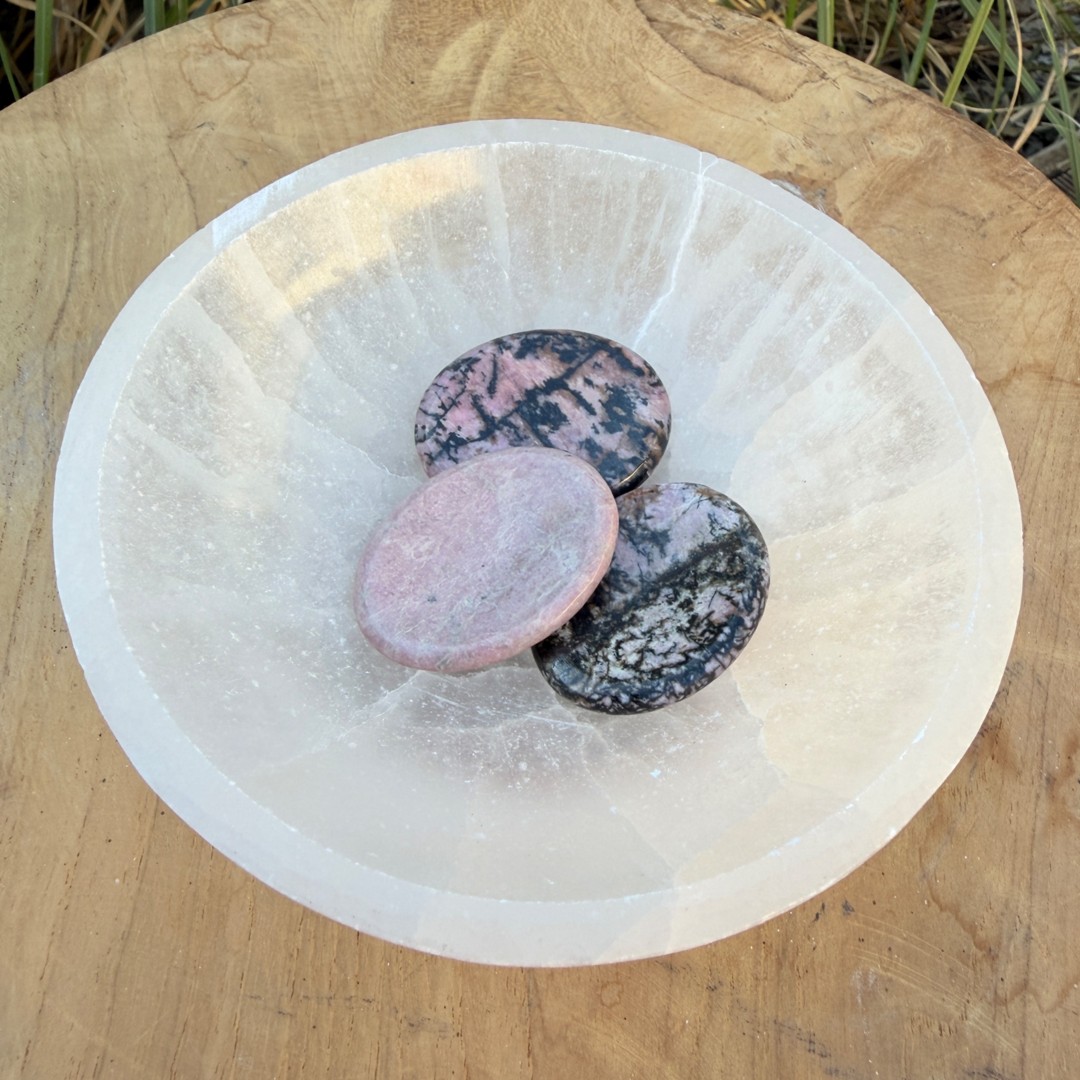
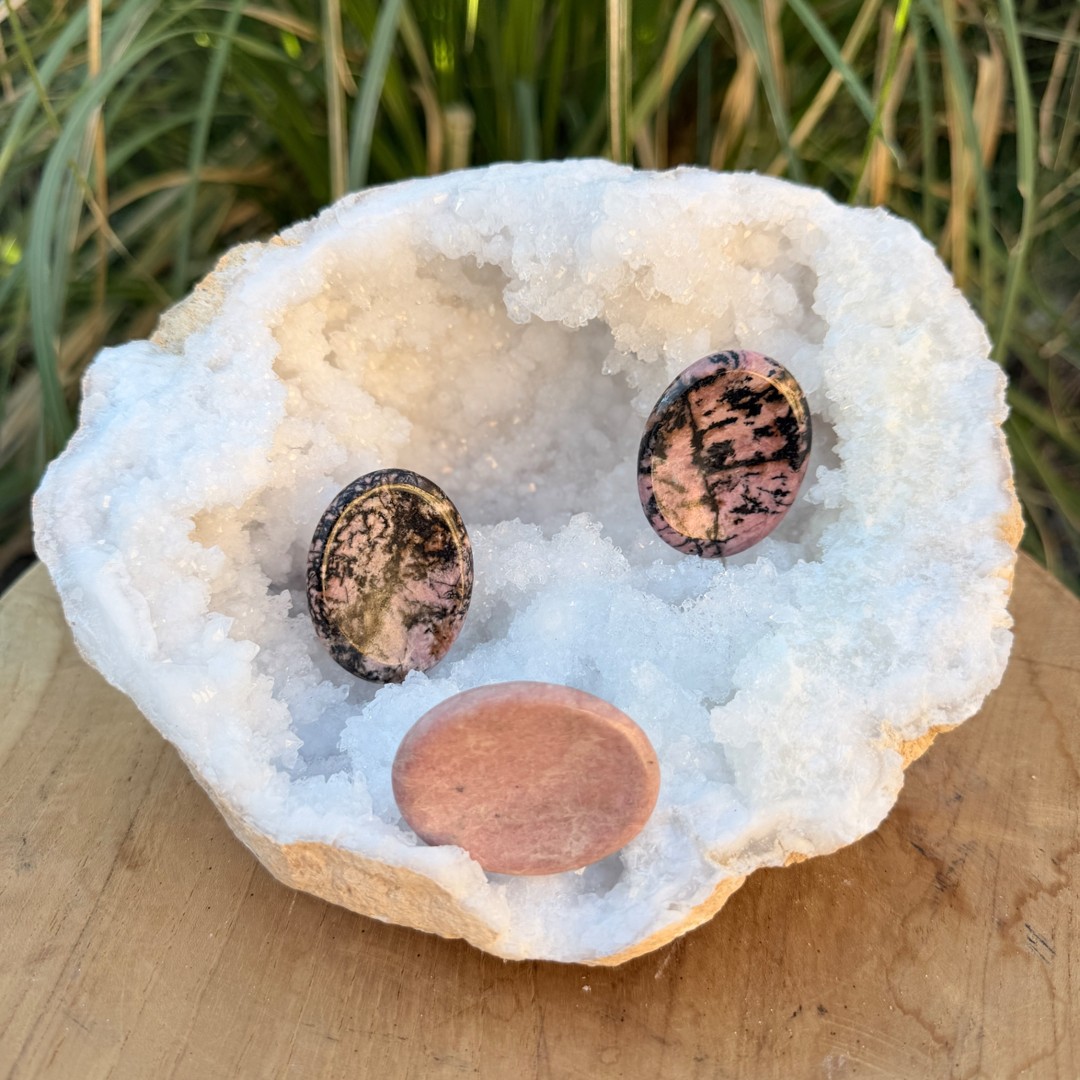
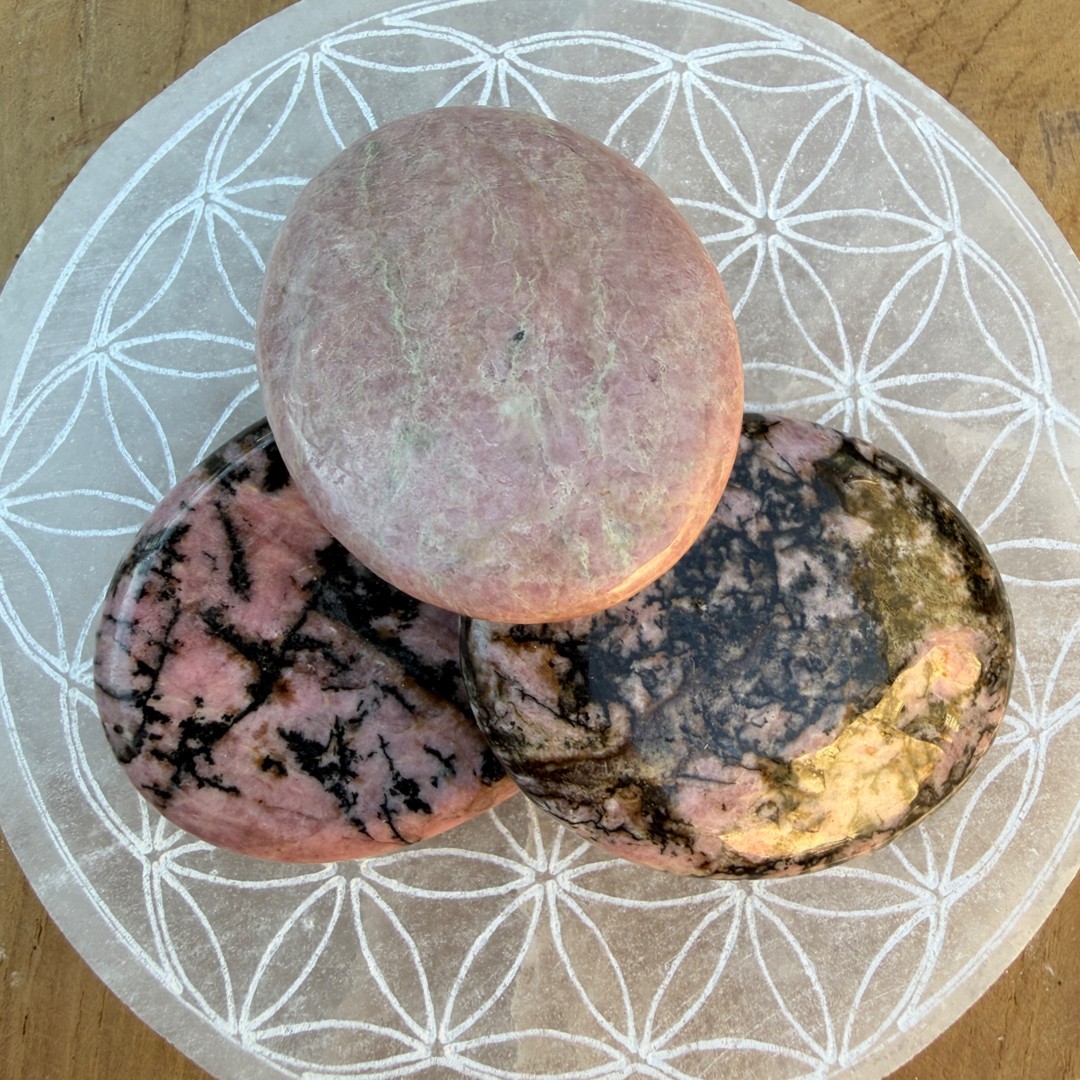
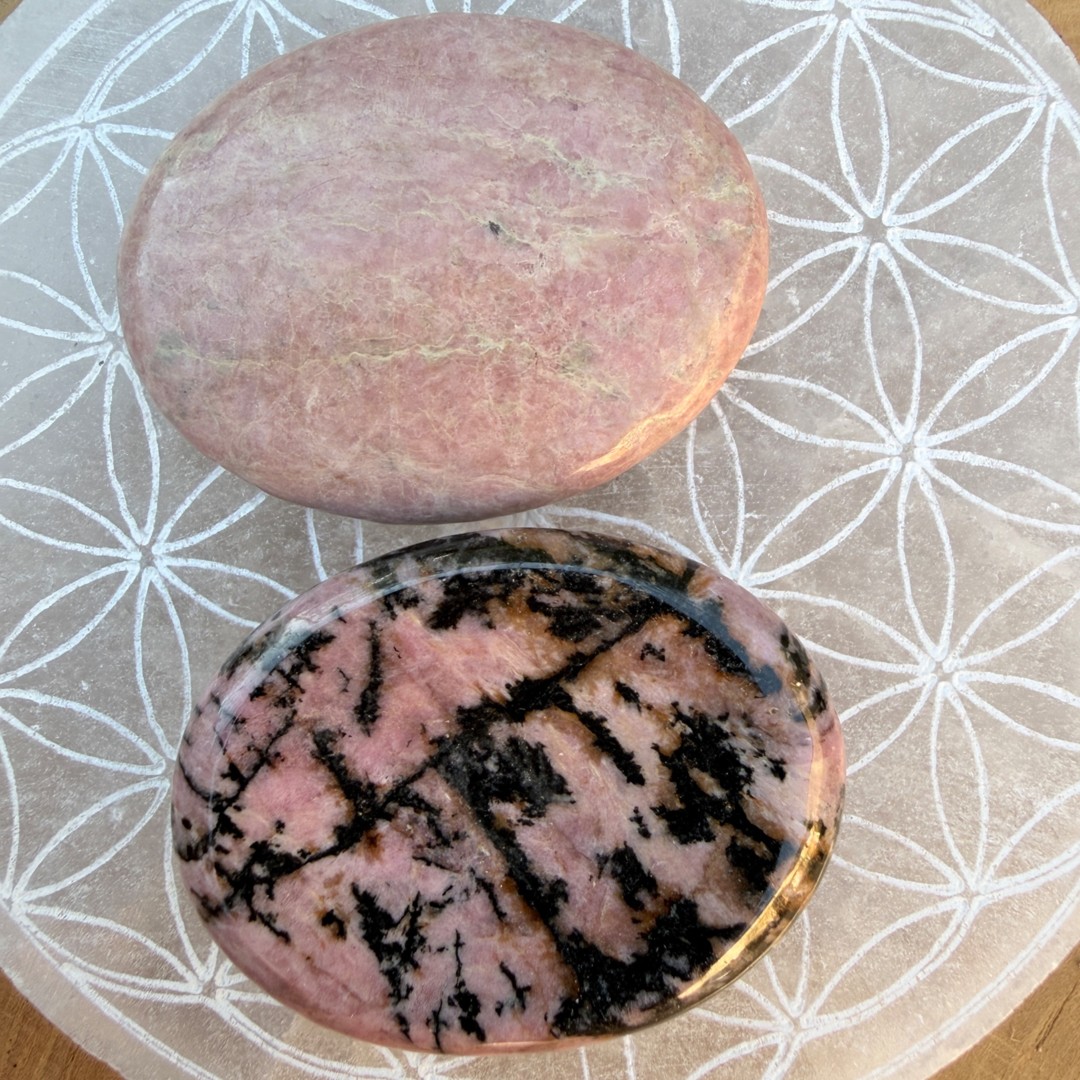
Grade A Rhodonite Worry Stone
9,00 € incl. VAT
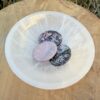
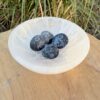
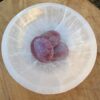
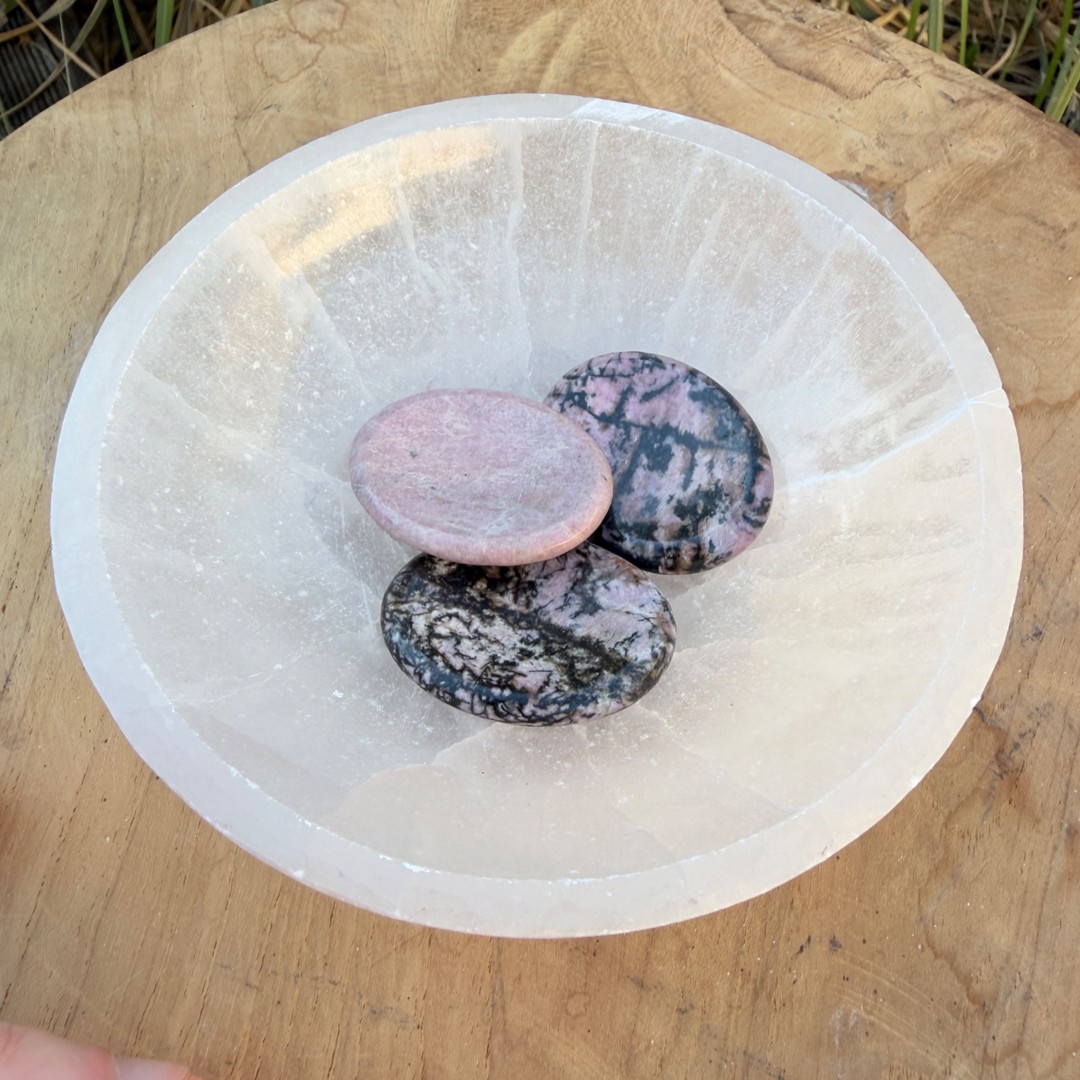
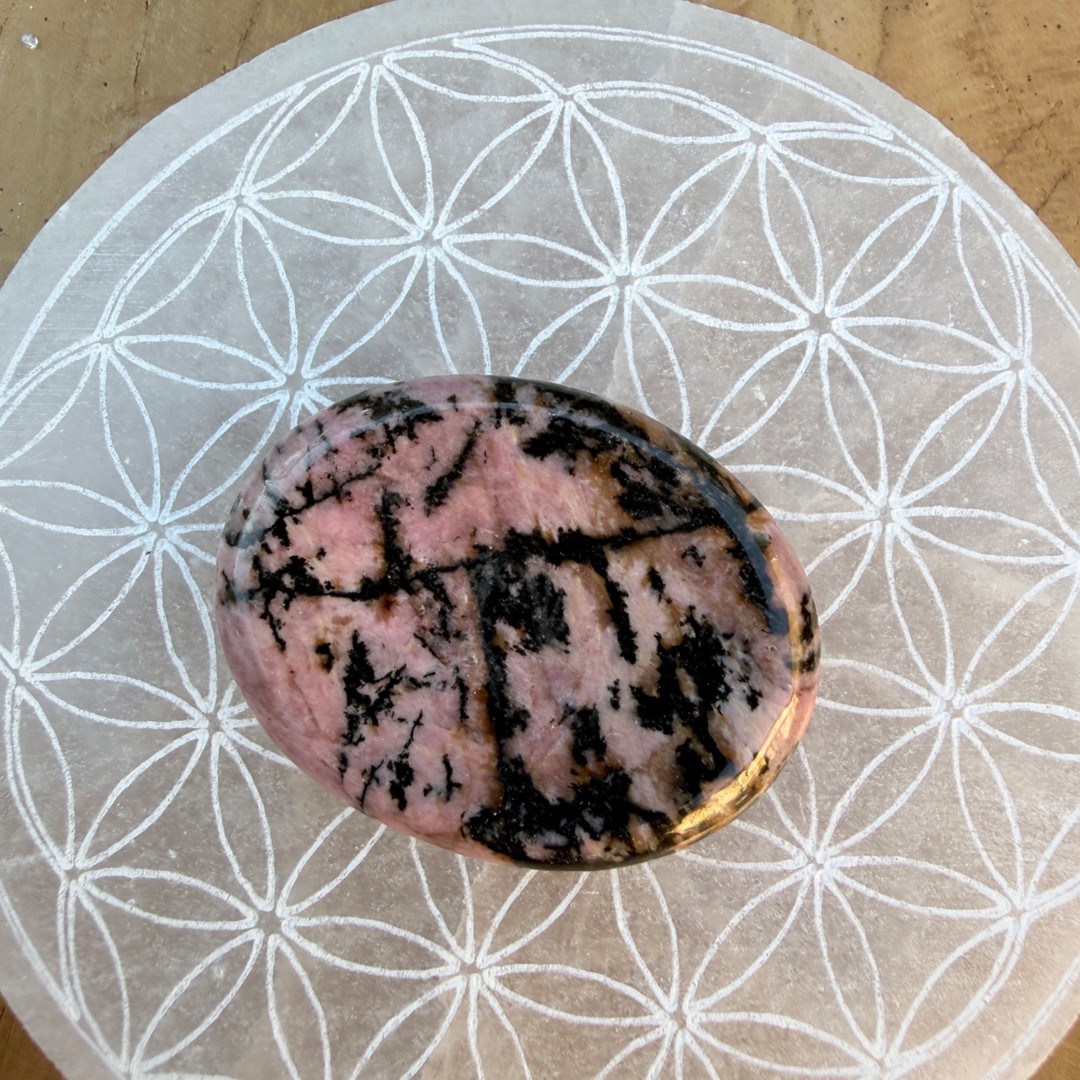
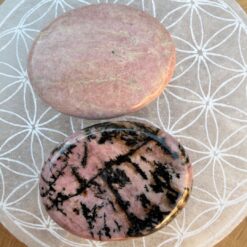
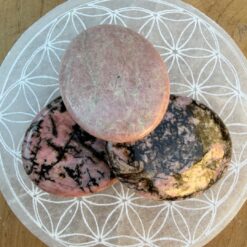
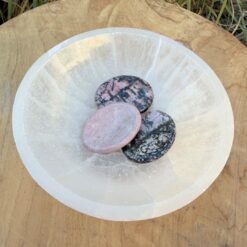
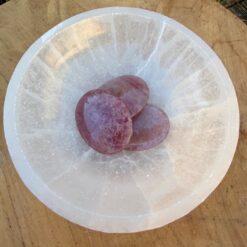
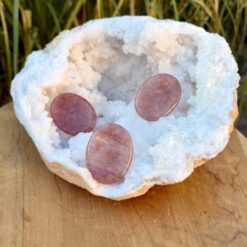
Rhodonite worry stone. The stone is slightly hollowed to allow a rubbing motion with the thumb that helps reduce stress. It takes up little space and can go with you everywhere.
In stock
Color: pale pink to bright pink, red, sometimes with black veins
Pebble dimensions: approx. 45mm – 50 mm
Approximate weight: 23 g
Photos not contractual
Classification: feldspar group
Mohs hardness: 5.5-6.5
Density: 3.4-3.7
Origin: South Africa, Australia, Canada, India, Madagascar, Mexico, Russia, Sweden, United States
Care instructions: Avoid excessive heat exposure or prolonged sun exposure. Also avoid repeated exposure to soap/shower gel, cosmetic products (perfume…) or household products to prevent the stone from tarnishing or fading.
Grade A rhodonite worry stone: key facts
This listing is for one piece. Measurements: approx. 45mm – 50mm. Approximate weight: 23g.
To compare with other models, check the Worry Stones category.
Origins and minéralogy
The “worry stone”, or worry pebble, is a small polished stone you keep in your hand and rub with your thumb. Hold the pebble between your index finger and thumb and gently move your thumb back and forth. This repetitive motion on the stone is a simple gesture people like to do to refocus. You can take it to the office, bring it with you anywhere, and pull it out of your pocket or bag whenever you feel the need.
Rhodonite is a magnesium silicate. Its color varies from pink to red, with black veins that are more or less present. It may contain other minerals such as iron, calcium, zinc or magnesium.
In antiquity, Greeks and Romans wore rhodonite talismans when they had to undertake long journeys. The stone was believed to protect them from thieves and warn them of dangers.
In Russia, during the time of the tsars, rhodonite was a highly prized stone. It was used to carve many decorative objects (vases, basins…) and to make jewelry. It was widely used in Russian architecture. In Moscow, the pillars of the Mayakovskaya metro station are covered with rhodonite. The station is even listed as a UNESCO World Heritage Site.
Rhodonite symbolizes love of self and love of others. In crystal healing, rhodonite is considered a soothing, balancing stone. Its black veins, made up of manganese oxide dendrites, are said to have protective properties. It’s also known as the stone of love: love of self and others. In crystal healing tradition, it’s associated with the past, memory, and inner transformation.
Rhodonite stimulates and activates the heart chakra. It instills strength and energy. In crystal healing tradition, it’s associated with the balance of yin and yang, chakra alignment, and memories of past lives. It clears blockages to allow energy to flow freely.
Traditionally, rhodonite is often placed in the bedroom, paired with the calm of evening. Its vibrations help ease mental restlessness.
Warning: this product is not intended for therapeutic use and cannot replace medical treatment or follow-up.
Purification:
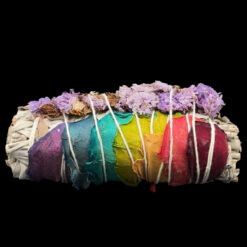
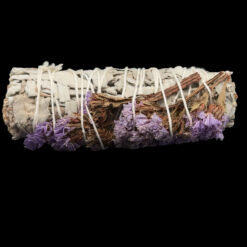
Rhodonite can be cleansed by running it under water twice a month. To preserve the jewelry setting, we recommend smoke cleansing with a palo santo stick or with white sage. Burn the palo santo or sage and pass your jewelry through the smoke released. Don’t forget to ventilate the room well after smoke cleansing.
Recharging:
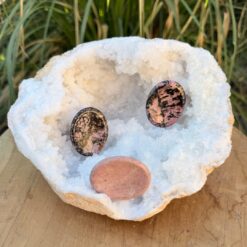
Rhodonite can be recharged by placing it for a few hours in a room bathed in light. It can also be placed in a quartz geode, on a quartz cluster or an amethyst druse.
Lithotherapy is based on tradition and does not replace medical advice.
Expédition : 48 à 72 heures, hors week-ends et jours fériés, après confirmation du paiement.
Livraison offerte dès 60 € en France métropolitaine.
Droit de rétractation : 14 jours pour nous signaler votre décision.
You may also like…
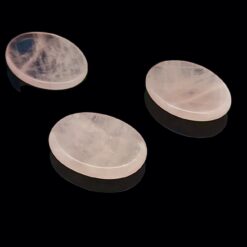
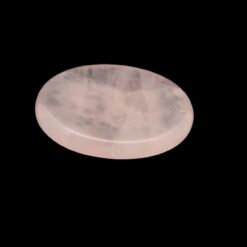
Anti-Stress Stones
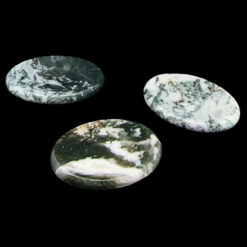
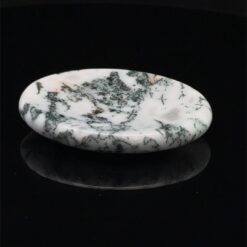
Anti-Stress Stones
Purification and recharging
Related products
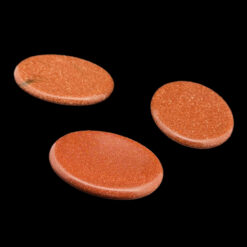
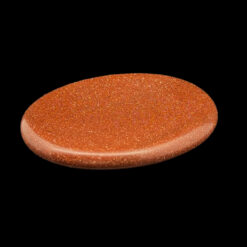
Anti-Stress Stones
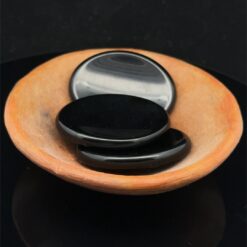
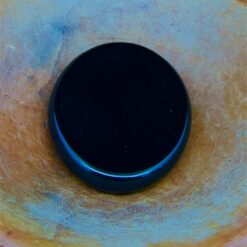
Anti-Stress Stones
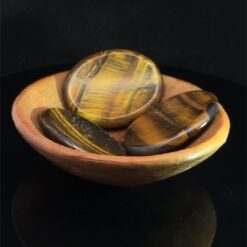
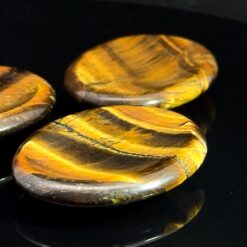
Anti-Stress Stones
Anti-Stress Stones